
It is 11:47 on a Thursday night, and your phone is lighting up the kitchen on Merewether Street while the kettle boils. You have already lost a stack at the local club last month, so you are sitting on the fence about another punt. The screen shows the classic five-card layout, and you are weighing whether to play the hand out or fold before the third card drops. You type the search you have been circling for weeks, let it ride poker online Australia, and watch the results load over a connection that still stutters out at the harbour. That lag is the first reality check, because regional broadband in the Hunter does not always keep pace with what you are trying to do on a mobile screen.
You are not the first person to hesitate after a bad beat. Most of the players I talk to around Newcastle have learned the hard way that a slow connection can cost you more than a weak hand. The game itself is straightforward enough: you put up three equal bets, get five cards, and decide whether to hold or release after each community card appears. The catch is that the decisions happen fast, and if the site hangs while you are choosing, you are guessing rather than playing. That is why the session you are about to run through matters more than the pitch on the landing page.
Pick a site that actually loads on a regional connection

You should test the play before you commit any real money, because a platform that looks polished on a fibre line can choke on a fixed wireless link out past the industrial estate. Start by opening the lobby on your phone at home, then walk it down to the carpark and check whether the hand history still updates without a visible pause. If the interface freezes for more than a second when the third card flips, you have your answer and you can walk away before you lose a deposit to a laggy screen. I have seen punters in the lower Hunter chase a smooth experience for hours, only to find the table times out right when they need to act. You do not need a fancy setup, just a stable enough link that lets you make the call before the timer runs down.
Set a session limit before the first card deals
You need a hard stop written down before you sit down, because the game will quietly invite you to chase the losses you just took on the earlier hands. Decide on a loss cap and a time cap in the same breath, then put the phone face down if either one gets hit. Say you deposit fifty dollars and set a thirty-minute window, you have a concrete boundary that stops the session from drifting into the early hours. I disagree with the common advice that you should just trust your gut on the stop-loss, because a gut feeling changes the moment the cards turn against you. Write the numbers on a sticky note, leave it on the bench, and treat it like a non-negotiable line rather than a suggestion you can renegotiate mid-hand.
| Feature | Mobile play | Desktop play |
|---|---|---|
| Connection stability | Depends on mobile signal and regional broadband quality | Usually tied to a fixed home line |
| Screen real estate | Smaller, faster to read but harder to track five cards | Larger view, easier to see the full layout |
| Session control | Easy to walk away, easier to drift into late-night play | More deliberate setup, fewer impulse reloads |
| Typical wait time | Can stretch on a patchy link out past Newcastle | Generally steadier on a wired connection |
The table above shows the trade-offs you are actually weighing, not the polished promises on the lobby page. Mobile play wins on convenience, but it also hands the session over to whatever signal you are carrying, which matters a lot when you are sitting in a house that still drops packets near the coast. Desktop play asks for a proper chair and a fixed line, yet it gives you a steadier view of the five cards and a clearer sense of whether you are playing a hand or just feeding the timer. You should pick the device that matches your discipline, not the one that sounds cooler in a promo banner.
Read the hand like the locals read a weather change
You are better off treating each decision as a weather call, because the cards you hold and the community cards you see tell you whether to hold or release. If your five cards contain a pair or better after the first draw, you hold and let the hand ride; if you are chasing a draw with nothing solid, you release and take the smaller return rather than gamble the whole stake on a long shot. The game rewards patience more than bravado, and the players who survive a session are the ones who fold the weak hands instead of hoping the next card saves them. I have watched too many punters around the harbour front keep a marginal hand alive because they did not want to feel the sting of a fold, and the sting of a lost bet is usually worse.
Compare what overseas operators do with what we get Down Under
You should know that the operators you see on your screen are not all playing by the same rules, and the difference matters when you are trying to judge whether a site is worth a second look. Australian regulators have cracked down on illegal offshore online casinos targeting Australians, which means the platforms that stay visible here are navigating a tighter environment than they would in other markets. Casino stocks are publicly traded, with giants like MGM, Caesars, Las Vegas Sands and Wynn, and those operators run their digital tables under a completely different compliance setup overseas. Georgia King, Sports Betting Analyst, Sunburnt Country Interactive, says the local player is usually comparing a regional app experience with a global product that was built for a different regulator and a different internet backbone. Oliver O’Brien, Sports Betting Analyst, Red Centre Analytics, puts it more bluntly: the overseas tables often feel slicker because they are optimised for markets where the connection and the legal footing are not the same as ours. You can follow Georgia King on X at @georgiakingsi for more on how the local market is shifting.
A good neighbour site for checking racing form and timing is racing form, because the same habit of reading the market before you commit applies to a poker session as it does to a Saturday card. If you want to see how a promo page actually works before you trust it with a deposit, you can look at jeetcity no deposit bonus codes and judge whether the offer matches the fine print instead of the headline. Those two checks are small, but they save you from walking into a session blind, which is exactly how a wary player ends up burned again.
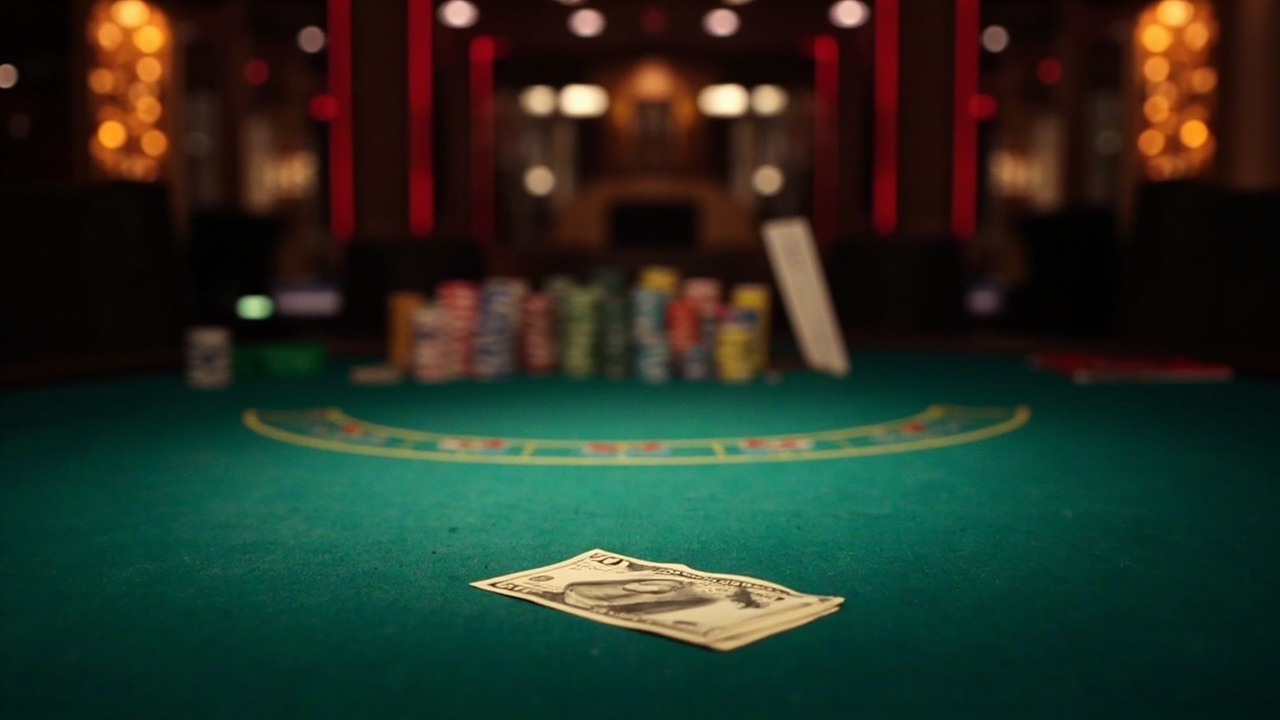
The session you just ran through is the one that matters, because a single disciplined hand on a stable connection tells you more than a dozen flashy screenshots ever will. If the site loads, the limits hold, and you fold the weak hands without chasing, you have a workable setup rather than a miracle cure. If the connection stutters, the limits blur, and you keep feeding the table after the losses mount, you are doing the same thing that burned you the first time.